

Key Takeaways
- DIY saves money on straightforward projects but can cost more when tools, time, and mistakes are factored in.
- Licensed professionals are required for electrical, gas, structural, and other regulated work regardless of skill level.
- Hidden costs like tool rental, wasted materials, and permit fees often close the gap between DIY and hiring out.
- Repeatable tasks with low skill barriers, such as painting and caulking, offer the most reliable DIY savings.
- A realistic cost comparison before starting any project helps families avoid budget surprises mid-job.
Where the DIY savings assumption comes from
The appeal of DIY is straightforward: remove the labor charge, keep the money. For many projects that logic holds. Painting walls, replacing a faucet cartridge, installing peel-and-stick backsplash, or sealing drafty windows are all tasks where a capable adult with modest tool ownership can finish the job for well under what a handyperson would charge. These are repeatable, low-risk tasks with a wide margin for learning.
The assumption breaks down when people apply the same logic to projects that have hidden costs or genuine technical complexity. Common DIY missteps that derail budgets shows how skipping the cost-comparison step is itself one of the most expensive mistakes families make.
Myth
DIY always costs less than hiring a professional because you eliminate labor charges.
Fact
Labor is one cost. Materials, tools, permits, and the price of fixing mistakes are others that DIY does not eliminate.
Eliminating a contractor's labor rate feels like an obvious win. The math gets complicated fast, though. A homeowner painting a bedroom avoids labor costs and probably saves money. A homeowner retiling a shower for the first time may buy 20 percent extra tile for breakage, rent a wet saw, and spend twice as long as a pro would, potentially spending close to what a local tiler would have charged. The savings vary by project type, not by the general principle of doing it yourself.
Myth
If you can find a tutorial online, you can DIY any home repair safely.
Fact
Instructional videos cannot account for your home's specific conditions, local codes, or the physical risks of certain tasks.
Online tutorials are useful for understanding a process, but they are produced under controlled conditions with specific materials and structures. Your wiring layout, your load-bearing walls, and your municipality's permit requirements may differ from anything shown in a video. For work that is regulated, such as electrical, gas, plumbing connections to mains, or structural changes, a licensed contractor is not optional. See which home jobs are safe to tackle yourself for a practical breakdown by project type.
Myth
Your time spent on a DIY project doesn't count as a real cost.
Fact
Time has value. Hours spent on a project that takes twice as long as expected represent a real trade-off against other income or rest.
Few families price their own time when estimating a DIY project. If a repair takes a full weekend and a pro would have finished in three hours, the question is whether that time difference matters to your household. For some families it does not. For others, especially those with demanding work schedules, that lost weekend has a cost worth measuring against the labor savings.
Myth
Buying budget materials keeps DIY projects affordable.
Fact
Low-cost materials sometimes require replacement sooner, which means you pay twice for the same job.
Material quality affects how long a repair holds. Inexpensive caulk in a wet area may crack within a year; a mid-grade product built for bathrooms can last several years longer. Why cheap decor often ends up costing more covers this pattern in detail. Spending a few dollars more on materials that match the application often produces better long-term value than chasing the lowest shelf price.
Myth
Skipping permits on a small DIY job saves money and nobody will know.
Fact
Unpermitted work can surface during a home sale inspection, trigger fines, or require expensive tear-outs to bring work up to code.
Permits exist to ensure work is inspected against safety codes. When unpermitted work is found during a real estate transaction, buyers frequently request price reductions or demand the work be redone by a licensed contractor at the seller's expense. The short-term saving of skipping a permit fee can become a significant financial liability at resale. Check with your local building department before starting any project that might require one.
How to do an honest cost comparison before you start
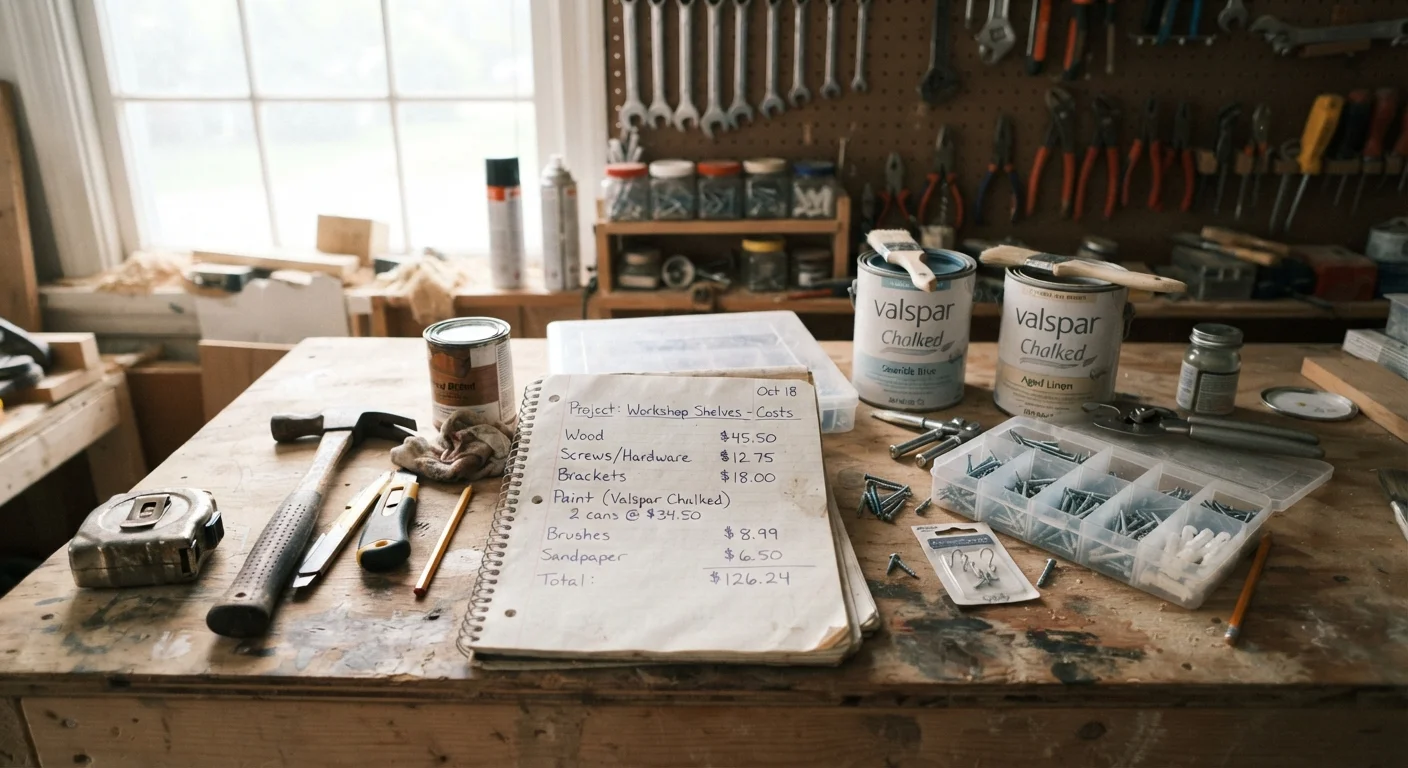
A realistic pre-project estimate includes materials at their actual retail price, any tools you do not already own (purchase or rental), permit fees if applicable, and a rough value on your time. Get at least one contractor quote for the same scope of work. That number gives you a real baseline to compare against, rather than the assumption that DIY will automatically be cheaper.
Tool costs can erase your projected savings
A single specialty tool purchase can cost more than hiring a professional for a one-time job. Before buying, check whether your local hardware store or library of things offers tool rentals. Factor that rental fee into your total project cost before deciding to DIY.
For regulated work, the comparison is not about cost at all. Knowing where the line is for common repairs sets out the categories of work that require a licensed professional regardless of what a homeowner feels confident attempting. Approaching each project with the question "what does this actually cost either way?" is more useful than the blanket assumption that one approach always wins.
Some work must go to a licensed professional
Electrical panel work, gas line repairs, structural modifications, and most roofing jobs are regulated in nearly every U.S. jurisdiction. Attempting them without the proper license can void your homeowner's insurance, create safety hazards, and result in failed inspections. Always verify local permit requirements before starting any project that goes beyond cosmetic work.
The home maintenance savings hub has additional guidance on building a cost-conscious maintenance routine across the year.