

Key Takeaways
- Groceries, gas, and dining are the three categories where most families accumulate cashback fastest due to high purchase frequency.
- Many cashback cards and apps offer elevated reward rates in specific categories, so matching your card to your actual spending matters.
- Stacking a cashback card with a store loyalty program in the same category can multiply returns without extra spending.
- Streaming, phone, and utility bills are often overlooked cashback opportunities that require almost no behavior change.
- Rotating bonus categories require active opt-ins each quarter or your elevated rate will revert to the standard rate.
Where cashback actually accumulates
Cashback rewards are not distributed evenly. Card issuers and apps structure their highest rates around the categories where households already spend the most, which means a family that knows their own budget has a real advantage. The goal is not to shift spending toward categories just to earn more back; it is to recognize which purchases you are already making and ensure the right reward mechanism is in place before checkout.
If you are new to how these programs differ from one another, the comparison of cashback apps, credit cards, and loyalty programs is a useful starting point before deciding where to concentrate your rewards strategy.
The categories below are where cashback tends to accumulate fastest for most American families, based on how issuers typically structure bonus rates and how regularly these purchases occur.
Grocery stores
Grocery spending is the single most consistent cashback category for families. A household buying food for four can easily spend $600 to $900 a month at the supermarket, and many cashback cards offer 3% to 6% back at grocery stores specifically. That rate, applied to a recurring high-dollar category, produces more annual cashback than most other categories combined.
The important distinction is that "grocery store" is a specific merchant category code. Warehouse clubs and discount supercenters often do not qualify for the elevated grocery rate on many cards, so the store where you shop matters as much as the rate itself.
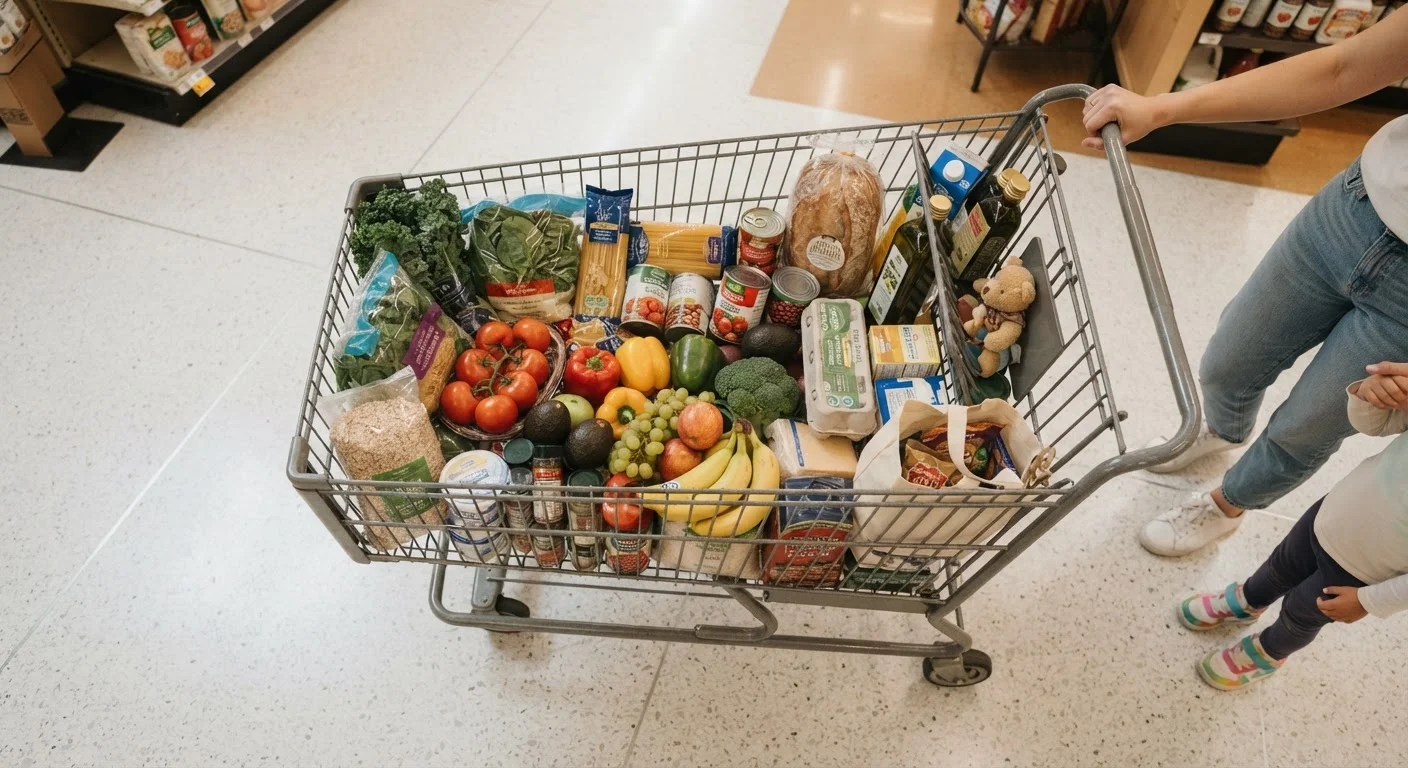
Grocery spending's high frequency and dollar volume make it the fastest cashback category for most families.
Gas stations
Families who commute, carpool, or drive longer distances accumulate cashback at gas stations quickly. Fuel prices are high enough that even a 2% to 4% rate produces noticeable returns over a year. Many cashback cards and fuel-specific loyalty programs both reward gas purchases, making this one of the easier categories for stacking.
As with groceries, the merchant category code matters. Gas purchased at a warehouse club pump or a convenience store attached to a non-qualifying merchant may not earn the elevated card rate. Check your card's terms for how fuel-only purchases are classified.
Fuel's consistent high cost means even a modest reward rate at gas stations adds up across a year of driving.
Dining and restaurants
Restaurant spending, including takeout and delivery, is a strong cashback category because it happens frequently and covers a wide range of price points. Card issuers often offer 3% to 5% back on dining, and some cashback apps also run elevated offers at specific restaurant chains or delivery platforms.
For families who order delivery regularly, the delivery platform itself may be the qualifying merchant rather than the restaurant, so confirm whether your card's dining category includes app-based orders or only in-person transactions.
Dining rewards cover both sit-down meals and delivery orders, two purchase types that add up quickly for busy families.
Recurring subscriptions and streaming
Monthly charges for streaming services, music platforms, and digital subscriptions are easy cashback wins because they require no extra action after the initial card setup. Some cards categorize these as a distinct bonus category and offer 2% to 3% back. Because the charges are automatic, the cashback accumulates without any purchase decision on the cardholder's part.
The same logic applies to phone bills and some utility payments, where cards occasionally include these as eligible categories. This is one area where a small rate on a consistent fixed charge can produce steady returns across 12 months.
Automatic recurring charges earn cashback with no ongoing effort once a card is set to handle them.
Drug stores and pharmacies
Pharmacy spending covers prescriptions, over-the-counter health products, household supplies, and personal care items. Several card programs offer elevated cashback rates (often 2% to 3%) at drug stores specifically, and pharmacy loyalty programs can layer on top of that for additional savings.
Because families with children or older relatives tend to visit pharmacies regularly, this category accumulates faster than many people expect. It is worth checking whether your current card treats drug store purchases at the elevated rate or lumps them into a general retail category at a lower rate.
Families who visit pharmacies regularly often find this category accumulates more cashback than they anticipated.
Rotating bonus categories
Some cashback cards rotate their highest bonus rate (often 5%) across different categories each quarter, cycling through things like grocery stores, home improvement retailers, or select online marketplaces. When the active category matches a period of naturally higher spending, such as back-to-school shopping or holiday purchases, the return can be substantial.
The catch is that these categories require an opt-in each quarter, and the elevated rate applies only up to a spending cap, typically $1,500 per quarter. Missing the opt-in or exceeding the cap drops the rate to 1%. Tracking activation dates is a small administrative task that has a direct dollar impact. For more on managing program rules so rewards do not go to waste, see why rewards points expire before families use them.
Rotating bonus categories can deliver 5% back, but only if you actively opt in each quarter before the deadline.
Getting more from the categories you already use
The pattern across every category above is the same: frequency and dollar volume drive accumulation, and the reward rate multiplies both. A 3% rate on a category where you spend $400 a month produces $144 a year from one card alone, before any stacking.
Match your card to your actual spending
Pull up three months of bank or card statements and identify which two or three categories account for the most spending. Then check whether your current card offers an elevated rate in those categories. If there is a mismatch, the starting guide to rewards programs can help you think through which card structure fits your household's pattern.
Stacking is where returns can grow more meaningfully. Using a cashback card that earns 3% at grocery stores alongside that store's own loyalty card can produce savings on two separate tracks simultaneously. The guide to stacking rewards on the same purchase covers how this works and where the common friction points are.
Before assuming a specific card or app will cover a category at its elevated rate, verify the program's merchant category code rules. Some issuers classify warehouse clubs, supercenters, or convenience stores differently from standard grocery or gas codes, which can affect the rate you actually receive. For a broader look at how cashback myths can quietly reduce what you earn, see common cashback misconceptions families should know.
This article is for general informational purposes only and does not constitute financial advice. Reward rates, program terms, and category definitions vary by issuer and can change. Verify current terms directly with your card issuer or app provider before making decisions based on expected reward rates.