

Key Takeaways
- Replacing an HVAC filter every 1 to 3 months is one of the lowest-cost ways to extend equipment life.
- Roof gutters clogged with debris can force water under shingles, causing rot that voids manufacturer warranties.
- Small plumbing leaks left unaddressed can lead to structural water damage costing thousands to repair.
- Annual professional inspections of all three systems often cost far less than one emergency repair call.
- Preventive upkeep on HVAC, roofing, and plumbing can add years to each system's functional lifespan.
Why these three systems deserve your attention first
HVAC equipment, roofing, and plumbing together account for a large share of a home's total replacement cost. A central HVAC system can run $5,000 to $12,000 to replace, a new roof $8,000 to $20,000 depending on size and material, and a full plumbing re-pipe easily exceeds $5,000. None of those numbers include the water damage, mold remediation, or structural repairs that often follow a neglected failure.
The good news is that these systems respond well to basic, consistent care. Most premature failures trace back to deferred maintenance rather than unavoidable wear. Routine preventive maintenance addresses the conditions that accelerate that wear before they compound.
HVAC: keeping the system breathing
The single most impactful HVAC task costs almost nothing. A clogged air filter forces the blower motor to work harder, raises energy consumption, and causes the heat exchanger or evaporator coil to run at temperatures that shorten its life. Replace 1-inch filters every 30 to 90 days depending on pets and dust levels; thicker 4-inch media filters can go 6 to 12 months.
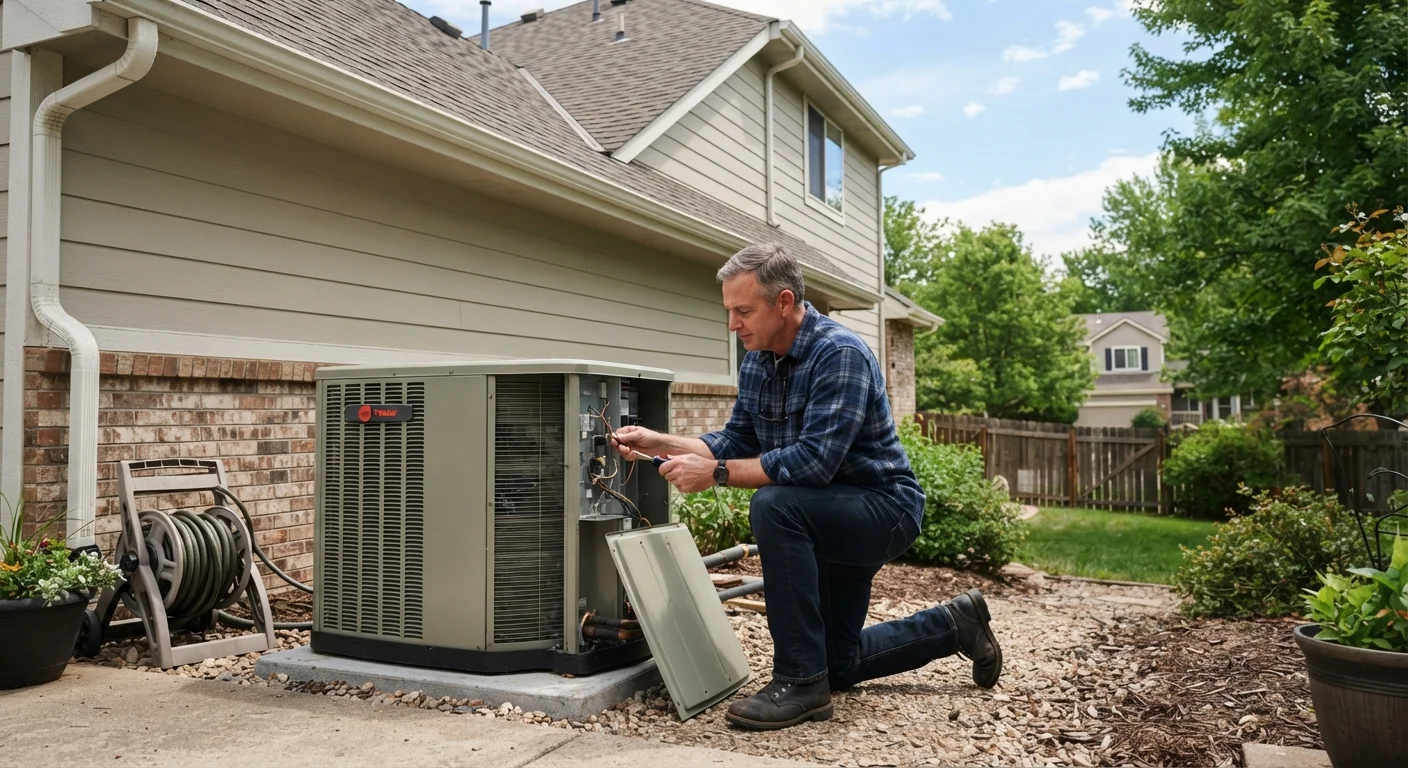
Beyond filters, clear at least two feet of space around the outdoor condenser unit each season, and straighten any bent aluminum fins with a fin comb tool. Inside, keep supply and return vents unblocked by furniture or rugs. A restricted airflow path stresses every component downstream.
Schedule a professional tune-up once a year, typically in spring before cooling season. A technician will check refrigerant levels, electrical connections, and the condensate drain line. A blocked condensate drain is one of the most common causes of water damage directly below an air handler.
Replace HVAC air filters on a fixed schedule, not when they look dirty
By the time a filter appears visibly clogged, airflow restriction has already been stressing the blower motor and coil for weeks. A calendar reminder removes the guesswork and makes the habit automatic.
Inspect and clean condensate drain lines twice per cooling season
Algae and debris block the condensate drain quickly in humid climates. A blocked drain causes the system to shut off on a safety switch or, worse, overflow into the ceiling or wall cavity below the air handler.
Clean roof gutters at least twice a year and inspect flashing at the same time
Gutter cleaning and flashing inspection address the two most common entry points for water into the roof assembly. Combining both tasks on one visit reduces the time investment and ensures neither gets skipped.
Test and record household water pressure at least once a year
Pressure fluctuates with municipal supply changes and PRV wear. An annual reading catches a pressure spike before it starts fatiguing supply lines and valve seats across the house.
Flush the water heater tank annually to clear sediment buildup
Sediment settles on the tank floor and acts as an insulating layer between the burner or element and the water. This forces longer run times, increases energy costs, and accelerates tank corrosion from the inside.
For a full calendar of when to perform these checks alongside other home tasks, the seasonal home maintenance checklist breaks tasks down by quarter.
Roof: stopping small problems before water finds a path
You do not need to climb a ladder to catch most early roof problems. Walk the perimeter after any significant storm and look for shingles on the ground, visible granules in downspout discharge, or sagging fascia boards. From the attic, a flashlight scan reveals daylight gaps or water stains at ridge lines, valleys, and around penetrations such as vent pipes and chimneys.
Gutters are the most neglected part of the roof system. Debris-packed gutters cause water to back up under the lowest course of shingles, and that pooling moisture rots the roof deck and wall sheathing behind the scenes. Clean gutters at least twice a year: once in late fall after leaves drop, and once in early spring. If large trees overhang the roof, a third cleaning in summer is reasonable.
Flashing, the metal strips that seal joints where the roof meets walls, chimneys, and skylights, is where leaks most often start. Inspect it for lifted edges or cracked sealant. Resealing exposed flashing with roofing caulk is a straightforward DIY repair that can prevent a re-flashing job costing several hundred dollars. Small leaks grow fast: the longer water travels undetected through a roof assembly, the more material it damages.
Plumbing: managing pressure, corrosion, and slow leaks
Water pressure above 80 psi strains pipe joints, valve seats, and appliance supply lines throughout the house. A pressure gauge threads onto any hose bib and costs a few dollars. If the reading exceeds 80 psi, a licensed plumber can install or adjust a pressure-reducing valve (PRV) at the main supply line. This single step reduces wear on every component the water supply touches.
Check under sinks, around the base of toilets, and near the water heater every few months for soft flooring, discoloration, or mineral staining. These are signs of slow drips that have been running long enough to leave a mark. Unaddressed leaks do not stay small; they migrate and feed mold growth inside walls and under floors.
Flush your water heater tank annually to remove sediment, which insulates the heating element and forces the unit to run longer to reach temperature. Most manufacturers include flushing in their warranty maintenance requirements. Neglecting it can cut tank life by several years and void warranty coverage.
For families building a budget around these repairs, a realistic annual maintenance plan helps set aside money before a system needs attention rather than after it fails.
This article provides general home maintenance information for educational purposes. For work involving electrical, gas, structural, or mains plumbing systems, consult a licensed professional. Verify local permit and code requirements before starting any repair.