

Key Takeaways
- Skipping routine maintenance to save money now typically leads to larger, more expensive repairs later.
- Many widely repeated home maintenance rules have no practical basis and can mislead homeowners into wasting money.
- Knowing when DIY is appropriate and when a licensed professional is required protects both your home and your wallet.
- Small, ongoing tasks like filter changes and caulk checks are more cost-effective than periodic large interventions.
Why bad home maintenance advice is so expensive
Home maintenance myths spread the same way most bad advice does: neighbor to neighbor, social media thread to thread, and through half-remembered guidance from a contractor visit years ago. The problem is that acting on a myth does not just waste an afternoon. It can delay a necessary repair until it becomes a four-figure bill, or push a homeowner to spend money on something that makes no difference at all.
Routine preventive maintenance is one of the most reliable ways to keep repair costs low. But preventive habits only work when they are based on accurate information. This article corrects the myths that most often lead families to either overspend or under-maintain their homes.
Myth
You only need to change your HVAC filter once a year.
Fact
Most HVAC manufacturers recommend changing standard 1-inch filters every one to three months, depending on household conditions.
A clogged filter forces the system to work harder, raises energy bills, and can shorten the life of the unit. Homes with pets, multiple occupants, or allergy sufferers typically need more frequent changes. Check the filter manufacturer's guidance and your HVAC manual for the specific interval that applies to your setup.
Myth
A small roof leak is not urgent as long as you put a bucket under it.
Fact
Even a slow, minor leak can cause structural wood rot, mold growth, and insulation damage within weeks.
Water follows the path of least resistance, meaning the visible drip inside rarely marks the actual entry point on the roof. Delaying repair almost always increases the eventual cost. Minor water leaks compound quickly into structural damage that costs far more to fix than the original source. Roof repairs and any work at height should be evaluated by a licensed roofing contractor; permit requirements vary by location.
Myth
If it is not broken, there is no reason to inspect it.
Fact
Many failure points in plumbing, electrical, and structural systems show no visible symptoms until significant damage has already occurred.
Annual or seasonal inspections of areas like the crawl space, attic, water heater connections, and caulking around windows and doors catch problems while they are still inexpensive to address. Electrical and gas-related inspections should always be handled by licensed professionals. Skipping inspections because nothing seems wrong is one of the most common ways deferred maintenance turns into emergency repair costs.
Myth
You can skip caulking touch-ups because the original caulk lasts the life of the house.
Fact
Caulk around windows, doors, tubs, and sinks typically degrades within five to ten years and needs periodic reapplication.
Failed caulk allows water infiltration that can damage framing, subfloors, and wall cavities. Reapplying caulk is a low-cost task most homeowners can handle themselves with basic preparation. Inspect all caulked seams annually and replace any sections that are cracked, peeling, or pulling away from the surface.
Myth
Pouring boiling water down drains clears clogs and keeps pipes clean.
Fact
Boiling water can soften or damage PVC pipe joints, and it does not dissolve grease or hair buildups effectively.
Most residential drain lines include PVC sections where high heat can weaken connections over time. For routine drain maintenance, a mesh drain screen to catch debris, periodic manual cleaning of the stopper mechanism, and hot (not boiling) water are sufficient. Persistent or recurring clogs warrant a plumber's assessment rather than repeated DIY attempts with harsh methods.
Myth
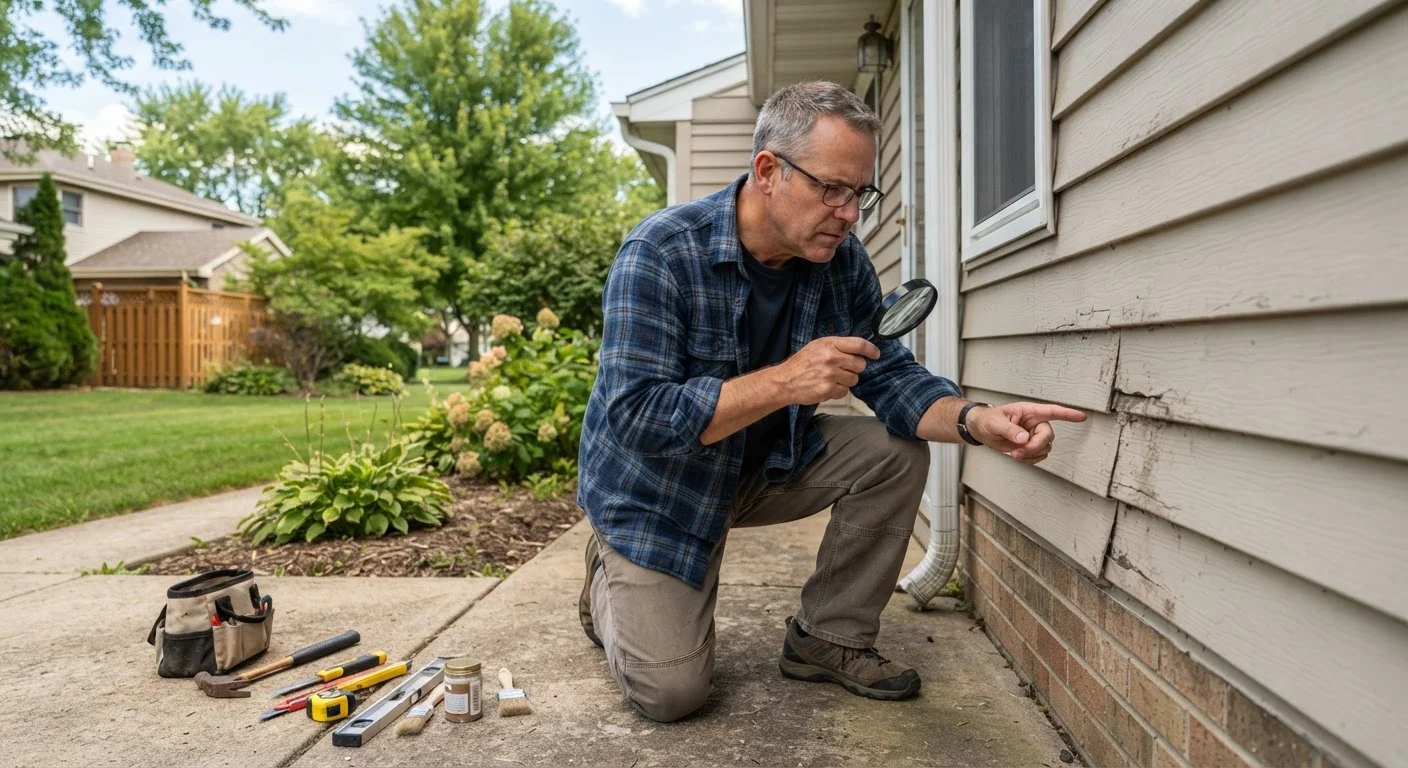
Painting over exterior wood protects it indefinitely from moisture.
Fact
Paint slows moisture intrusion but does not stop it, and worn or peeling paint actively traps moisture against the wood underneath.
Exterior wood needs the paint film to remain intact to provide any protection. Once the surface begins to crack or peel, moisture enters and becomes sealed in during re-painting if the surface is not properly prepared first. Scraping, sanding, and priming bare wood before repainting is not optional if the goal is lasting protection. Inspect exterior painted surfaces every two to three years and address any compromise in the film promptly.
What these myths have in common
Most of the myths above share a pattern: they either overstate how long something lasts without attention, or they understate the consequences of ignoring a small problem. Both errors point in the same direction. They give homeowners a false sense of security that delays action until damage is already accumulating.
The lifespan of expensive home systems depends heavily on consistent, modest upkeep rather than periodic major interventions. A $20 furnace filter changed every three months costs far less over a decade than a premature HVAC replacement driven by neglect.
Before assuming a task is unnecessary or that a problem will resolve itself, check the manufacturer's guidance, consult a licensed professional, and verify any local permit or code requirements that may apply. For a practical framework on planning and budgeting these tasks, see building a realistic annual maintenance plan. Decisions about which work to DIY and which to hand off are also worth examining carefully; DIY is not always cheaper, and knowing the difference matters.