

Key Takeaways
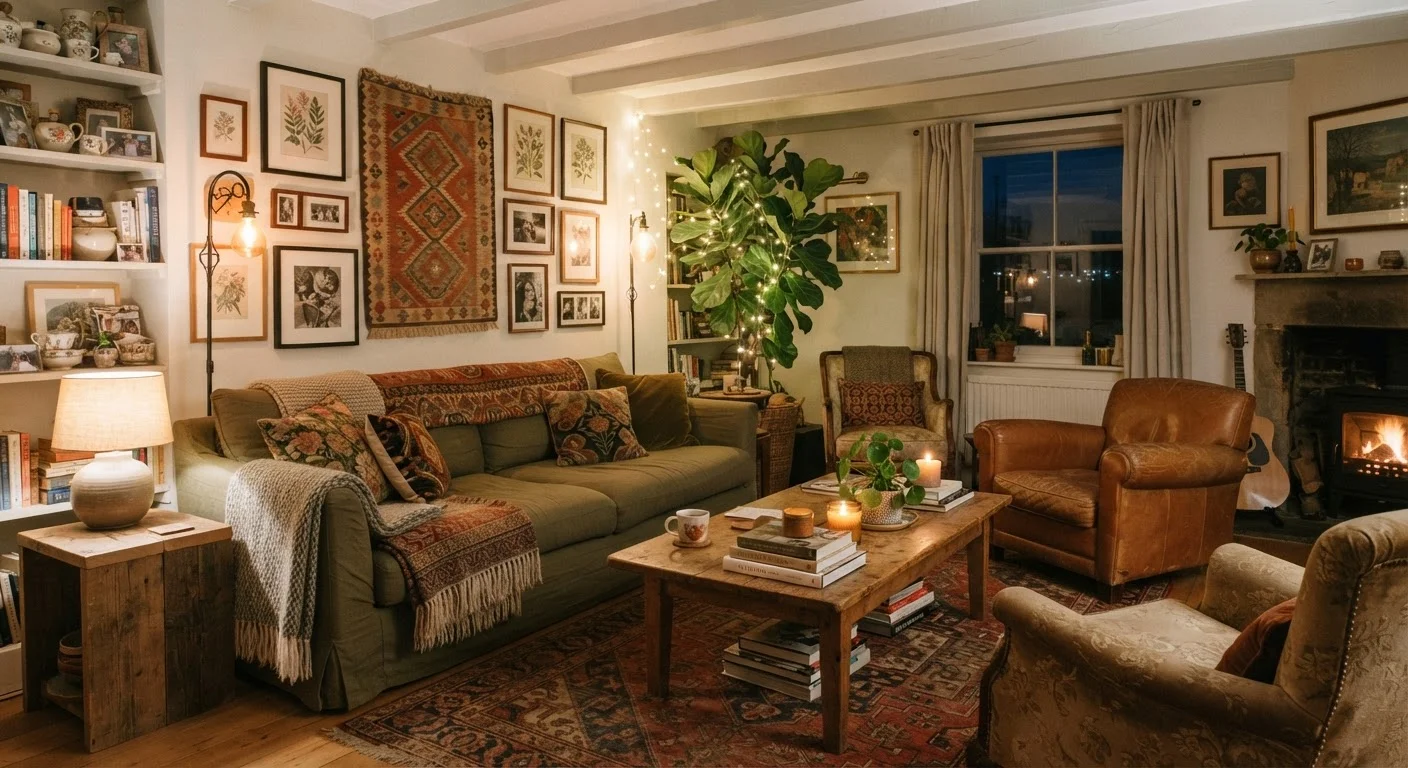
- Matching furniture sets often make rooms look flat, not polished.
- Price does not reliably predict how long a decorative piece will last.
- Decorating in stages with intention produces better results than one big spend.
- Neutral paint colors are not universally safe choices for every room.
- Secondhand and mixed-source shopping can produce more interesting rooms at lower cost.
Why these myths persist
Decorating advice circulates through family conversations, home improvement shows, and social media without much scrutiny. Some of it is genuinely useful. A lot of it is marketing dressed up as wisdom, and following it tends to push families toward spending they did not need to do.
The myths below come up repeatedly when families try to make their homes look better on a tight budget. Each one sounds reasonable on the surface, which is exactly why it costs so much to believe it.
Before spending anything, it is worth working through what you actually have. A room assessment tells you where targeted spending makes sense and where it does not. See the room assessment checklist before you commit to any purchase.
Myth
Furniture should match: buying a complete set makes a room look put-together.
Fact
Matched sets often produce flat, showroom-like rooms. Mixing pieces that share a color or material creates more visual interest.
Furniture sets are packaged for retail convenience, not design quality. When every piece in a room shares the same wood tone, fabric, and leg style, the eye has nothing to move between. Interior designers typically mix at least two wood tones and vary seat heights to give a room depth. Buying a set also concentrates your entire furniture budget in one purchase, leaving nothing for the textiles, lighting, and art that do most of the work in making a space feel lived-in and comfortable.
Myth
Expensive decor lasts longer and looks better, so it is worth stretching the budget.
Fact
Price correlates loosely with quality at best. Construction details, not cost, determine how long a piece holds up.
High price can reflect brand markup, trend premium, or retail overhead rather than material quality. A solid-wood side table from a thrift store will outlast a veneer-covered piece at three times the price. When evaluating durability, check the joints on furniture (dovetail and mortise-and-tenon joints hold; staples do not), the thread count and fiber content on textiles, and whether hardware is solid or hollow. These signals are more reliable than the number on the price tag. The quality signals that separate a smart budget buy from a quick replacement go deeper on this point.
Myth
Neutral paint colors are always a safe, versatile choice.
Fact
Neutrals can look cold, dingy, or flat depending on a room's light and existing furnishings. The right color depends on the specific space.
Greige and off-white are popular because they photograph well in staged homes, not because they work universally. A north-facing room with little natural light can turn a warm beige into a muddy gray. Undertones matter significantly: a white with a pink undertone clashes with warm wood tones, while one with a yellow undertone reads differently under LED versus incandescent light. Testing paint samples on the actual wall and observing them at different times of day is more reliable than choosing based on what worked in a different room or a different house.
Myth
You need to decorate a whole room at once for it to look cohesive.
Fact
Decorating in deliberate stages produces better results than a single rushed purchase run.
Buying everything at once under budget pressure leads to regrettable choices. A more practical approach is to identify the one or two pieces in a room that have the most visual weight, get those right, and then add around them over time. Living with a space before filling it reveals what it actually needs rather than what seemed logical in a store. This staged approach also spreads cost over time, which is less disruptive to a family budget than a single large outlay. The strategies for refreshing a room without replacing furniture show how much ground paint, textiles, and lighting can cover while you build toward larger additions.
Myth
More accessories make a room feel fuller and more decorated.
Fact
Too many small accessories create visual clutter that makes a room feel smaller and harder to clean.
Accessories earn their place when they add color, texture, or scale that the larger pieces do not provide. A collection of seven small decorative objects on a shelf reads as clutter; three objects with varied heights and a shared color story read as intentional. The practical side of this matters too: more objects mean more surfaces to dust and more items to manage when children are in the house. Editing down to fewer, more deliberate pieces saves money, reduces upkeep, and generally produces a calmer result. Spending habits that accumulate small decorative purchases repeatedly are worth examining through the lens of habits that quietly inflate monthly spending.
Putting the corrections to work
Knowing a myth is false does not automatically tell you what to do instead. A few practical approaches follow directly from the corrections above.
Buy anchor pieces with durability in mind, then fill around them from thrift stores, discount retailers, or your own existing items. The difference between thrift stores and discount retailers matters here: each suits a different decorating goal, and choosing the wrong source for the wrong item wastes time and money.
Refresh before replacing. Swapping out throw pillow covers, repositioning furniture, or adding a single new light source can shift a room's feel significantly without any large purchase. The low-cost moves that change how a room feels are worth reviewing if you feel stuck.
If the decorating vocabulary in store descriptions or design articles feels confusing, plain definitions help. The guide on what decorating terminology actually means translates the jargon so you can shop and plan without second-guessing yourself.
Families new to decorating with a budget constraint can also use a structured starting point. The room-by-room framework for first-time decorators walks through each major space with strategies that hold together visually at low cost.